February 3, 2026
The history of pastries is a story shaped by culture, trade, innovation, and celebration. Across centuries and continents, pastries have evolved from simple mixtures of grains and sweeteners into intricate creations admired for both flavor and craftsmanship. These sweet baked goods have appeared in royal courts, religious ceremonies, family kitchens, and local bakeries, reflecting the societies that created them.
By tracing the origins of pastries and their transformation over time, it becomes clear that baking is more than a culinary practice. It is a reflection of available ingredients, social structures, technological progress, and artistic expression. From ancient civilizations to modern local bakeries, pastries continue to tell stories of tradition, creativity, and cultural exchange.
1. The Origins of Pastries: Enchanting Beginnings
1.1. Early Influences from Ancient Civilizations
The earliest forms of pastry can be traced back to ancient civilizations that experimented with grains, fats, and sweeteners. Ancient Egyptians created simple doughs made from grain and honey, often baked into ceremonial offerings. These early pastries were not designed for indulgence alone but served religious and cultural purposes, reinforcing their symbolic value that still inspires modern local bakeries.
The Greeks and Romans expanded on these ideas, refining dough preparation and introducing oils, wine, and cheese into baked goods. Roman bakers, in particular, advanced baking as a profession, producing sweetened pastries that resembled early pies and tarts. These foundational techniques established the structural basis for later pastry traditions carried forward by generations of bakers.
1.2. The Role of Pastries in Medieval European Courts
During the medieval period, pastries became symbols of wealth and prestige throughout European courts. Sugar, almonds, and dried fruits were expensive and difficult to obtain, making pastries luxury items reserved for nobility. Elaborate decorative crusts and sculpted designs were used to impress guests during feasts and banquets.
While these creations were once limited to royalty, the techniques developed during this era eventually filtered down through guilds and apprenticeships, shaping the methods still practiced in many local bakeries today.
1.3. Trade Routes and the Global Spread of Pastry Techniques
Trade routes played a crucial role in shaping pastry evolution. The movement of spices, sugar, nuts, and dried fruits from Asia and the Middle East into Europe transformed traditional recipes. Cinnamon, cloves, nutmeg, and refined sugar expanded flavor possibilities and inspired experimentation.
As ingredients and techniques traveled, pastries began to reflect blended cultural identities. Bakers adapted foreign methods to local tastes, resulting in regionally distinct pastries that shared common influences. This exchange of ideas continues to influence the menus of contemporary local bakeries around the world.
1.4. Renaissance Innovations in Pastry Making
The Renaissance marked a turning point for pastry craftsmanship. Increased access to sugar and refined flour allowed bakers to focus on texture, structure, and appearance. Pastries became lighter, more decorative, and more consistent in quality.
This era emphasized artistry alongside taste. Bakers began experimenting with layered doughs, molded shapes, and decorative finishes. These innovations elevated pastries beyond sustenance, transforming them into edible works of art that remain foundational in many local bakeries.
2. French Pastry: The Gold Standard
2.1. The Rise of French Pastry Tradition
France established itself as the global benchmark for pastry excellence through disciplined technique and formalized training. Culinary guilds and pastry schools refined methods that emphasized precision, consistency, and balance. Butter, eggs, flour, and sugar were used in carefully measured ratios to produce reliable results.
This structured approach allowed French pastry techniques to be documented, taught, and preserved. Many of these methods form the backbone of training programs used by pastry professionals and local bakeries worldwide.
2.2. Influential Figures in French Pastry History
Marie-Antoine Carême and Auguste Escoffier shaped French pastry into a respected culinary discipline. Carême was known for elaborate architectural desserts and detailed written works that classified pastry techniques. His emphasis on structure and design influenced generations of bakers.
Escoffier modernized these ideas, streamlining processes while maintaining quality. Their combined influence continues to guide pastry instruction and production in both high-end kitchens and neighborhood local bakeries.
2.3. Iconic French Pastries
French pastries such as croissants, éclairs, mille-feuille, and tarte Tatin have become international symbols of refinement. Croissants demonstrate mastery of laminated dough, while éclairs highlight the versatility of choux pastry.
These creations balance flavor, texture, and appearance, showcasing the meticulous craftsmanship that defines French baking. Their enduring popularity makes them staples in many local bakeries outside of France.
3. Portuguese Pastries: Custard, Convents, and Craftsmanship
3.1. Conventual Origins of Portuguese Pastries
Portuguese pastries are closely tied to the country’s convent and monastery traditions, where egg yolks and sugar were abundant byproducts of religious life. Nuns and monks developed rich desserts as a way to use excess egg yolks, resulting in pastries that are deeply indulgent and distinctive. These conventual sweets laid the foundation for Portugal’s enduring pastry identity.
The emphasis on custards, syrups, and delicate shells reflects both resourcefulness and creativity. Many of these original recipes remain protected by tradition and are still produced using time-honored techniques.
3.2. Iconic Portuguese Pastries and Regional Variations
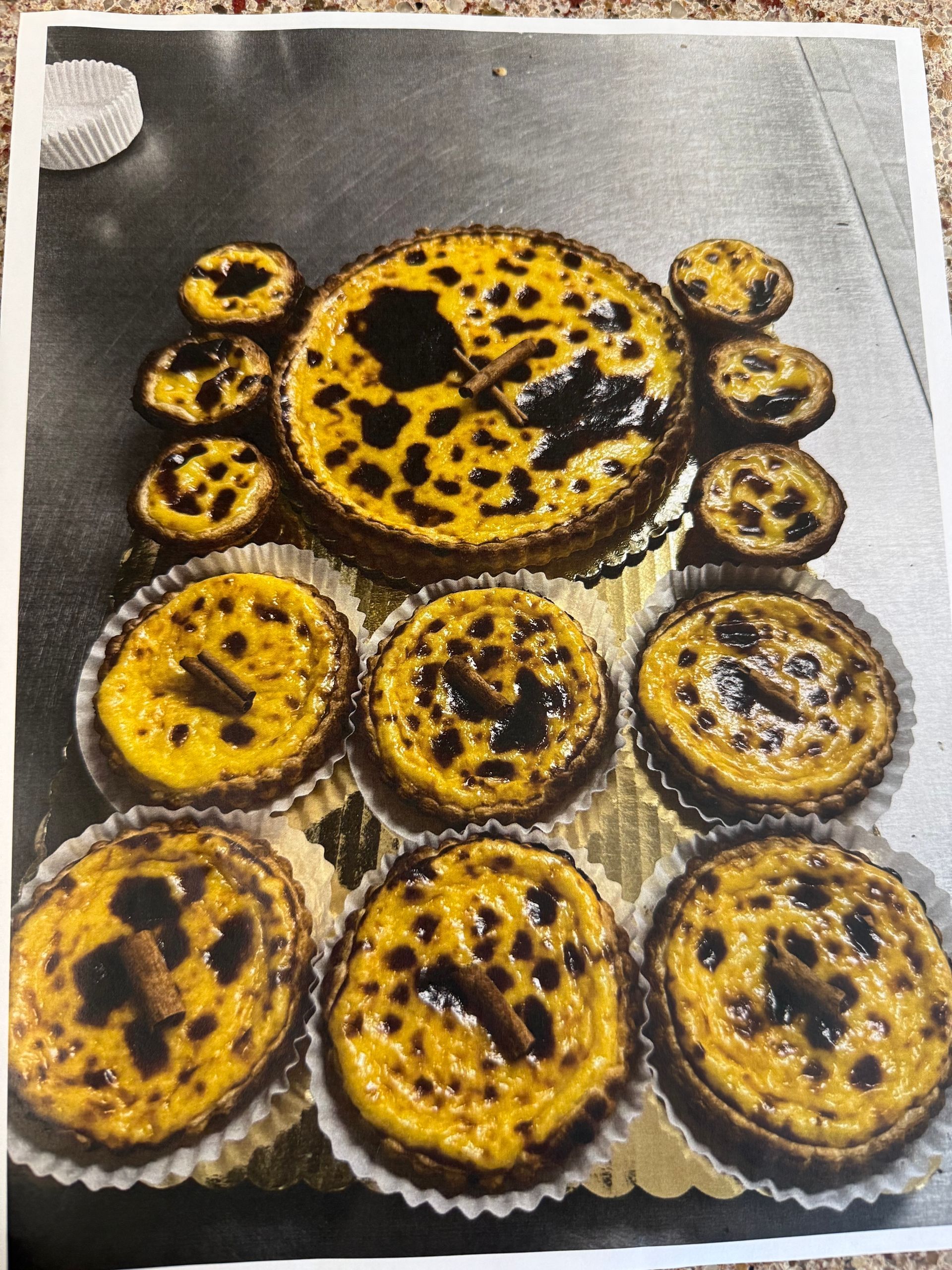
Portugal’s most recognized pastry, the pastel de nata, features a crisp, flaky shell filled with silky custard. While widely enjoyed today, its origins trace back to Lisbon’s monasteries. Other regional specialties, such as ovos moles and queijadas, highlight the country’s reliance on eggs, sugar, and dairy.
Each region contributes its own variations, reinforcing Portugal’s diverse pastry landscape. These desserts have become staples in Portuguese cafes and are increasingly featured in international local bakeries.
3.3. Global Reach of Portuguese Pastry Traditions
Portuguese pastries have gained global attention through migration and culinary exchange. Former Portuguese territories and diaspora communities introduced these sweets to new audiences, adapting them to local tastes while preserving their essence.
Today, pastel de nata and other Portuguese pastries are commonly found in specialty local bakeries worldwide, appreciated for their balance of texture, richness, and simplicity.
4. The Future of Pastries
4.1. Technology, Health, and Sustainability
Advancements in baking technology allow greater precision and consistency while supporting large-scale production. From temperature-controlled ovens to automated mixing systems, these tools help bakers maintain quality while meeting growing demand. At the same time, many local bakeries balance innovation with traditional methods, preserving handcrafted techniques that define their identity.
The economic impact of baking further highlights its importance in modern food systems. According to the American Bakers' Association, the baking industry generates over $42 billion in direct wages, underscoring the role bakeries play not only in food culture but also in employment and local economies. This scale allows both large producers and local bakeries to invest in sustainable practices, staff development, and evolving consumer preferences.
Health-conscious recipes, ethical sourcing, and sustainability initiatives continue to influence how pastries are produced and enjoyed. These priorities are shaping ingredient choices and production methods across the industry, reinforcing the connection between responsible practices and long-term growth.
The story of pastries is one of constant evolution, shaped by history, culture, and human creativity. From ancient civilizations experimenting with grain and honey to the refined techniques developed in European courts, pastries have always reflected the resources, values, and traditions of the societies that created them.
Each region’s contributions, whether rooted in convent kitchens, royal banquets, or family celebrations, add another layer to the global pastry narrative.
As trade, migration, and innovation connected cultures, pastry traditions expanded beyond borders, blending techniques and flavors in ways that continue to resonate today. These influences are visible in the diversity of pastries enjoyed around the world, where classic recipes coexist with modern interpretations. The balance between honoring tradition and embracing change has allowed pastries to remain relevant across generations.
Looking ahead, the future of pastries is guided by technology, sustainability, and cultural exchange, while still grounded in time-honored craftsmanship. Whether enjoyed as part of a celebration or a daily ritual, pastries continue to bring people together through shared experiences and familiar flavors. Their enduring appeal lies not only in their taste but in the stories they carry, connecting the past, present, and future through every bite. Visit The Bread Palace Bakery & Cafe today to try some of our delicious treats.