March 31, 2026
Fresh bread and delicate pastries are some of life’s simplest pleasures, but they can lose their appeal quickly if not stored properly. Whether you picked up a warm loaf from your favorite bakery cafe or brought home a box of buttery croissants, knowing how to preserve freshness can make all the difference. Texture, flavor, and aroma are all affected by storage conditions, and even small changes can extend or shorten the life of baked goods.
Many people assume that bread simply goes stale over time, but in reality, the process is influenced by air exposure, moisture levels, and temperature. With the right approach, you can slow down this process and enjoy your baked goods for much longer. From everyday loaves to specialty pastries, proper storage techniques help maintain that just-baked quality you love from a bakery cafe.
According to the American Bakers’ Association, the baking industry has an overall economic impact of over $186 billion. This highlights just how important baked goods are in daily life, making it even more worthwhile to store them correctly and reduce unnecessary waste.
1. Use Proper Containers
Choosing the right container is one of the most effective ways to preserve freshness. Bread and pastries need a balance between airflow and protection. Too much air exposure can dry them out, while too little can trap moisture and cause sogginess or mold.
A bread box is a classic option because it allows just enough air circulation while keeping the interior environment stable. For pastries, airtight containers can work well if they are lined with a paper towel to absorb excess moisture. Wrapping items loosely in parchment paper before placing them in a container can also help maintain texture.
If you regularly shop at a bakery cafe, consider keeping reusable storage containers at home specifically designed for baked goods. These containers can help replicate the conditions that keep bread fresh on display.
2. Avoid Refrigeration for Most Baked Goods
It may seem logical to store bread in the refrigerator to make it last longer, but this can actually accelerate staling. The cool temperature causes the starches in bread to crystallize more quickly, leading to a dry and firm texture.
Pastries can also suffer in the fridge, especially those with flaky layers or delicate crusts. Instead of preserving freshness, refrigeration often strips baked goods of their softness and flavor. The exception is pastries that contain dairy-based fillings, which may require refrigeration for safety.
If you bring home items from a bakery cafe, it is best to keep them at room temperature unless they include perishable ingredients. This helps maintain the intended taste and texture crafted by the baker.
3. Store Bread at Room Temperature
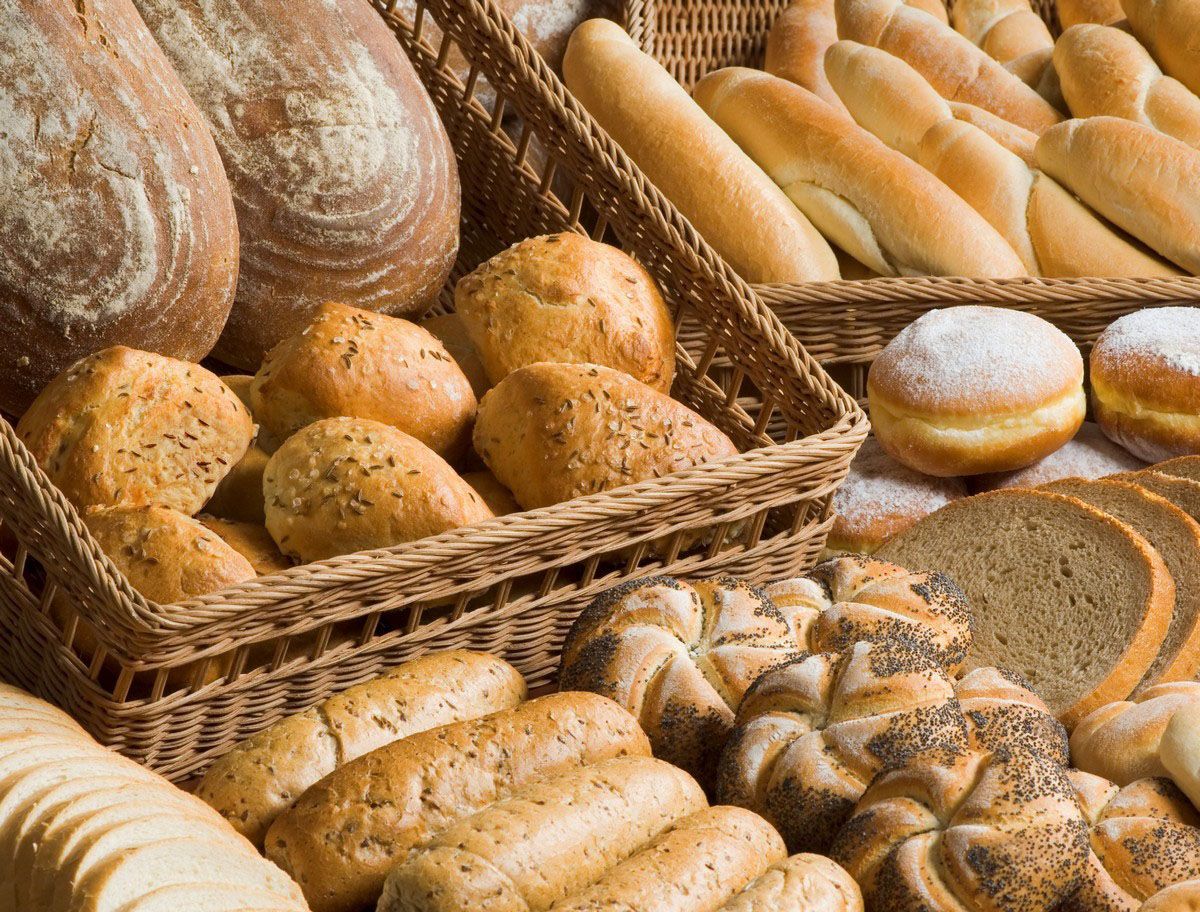
Room temperature storage is ideal for most breads, especially artisan loaves with crusty exteriors. Keeping bread in a cool, dry place away from direct sunlight helps maintain its structure and flavor.
Paper bags are often recommended because they allow the crust to stay crisp while protecting the interior from drying out too quickly. However, if you prefer a softer crust, a plastic bag can help retain moisture. The choice depends on your personal preference and the type of bread you are storing.
When purchasing from a bakery cafe, try to consume bread within a short timeframe for the best experience. If you need to extend its life slightly, storing it properly at room temperature can help preserve its freshness without compromising quality.
4. Freeze for Longer Storage
Freezing is one of the most effective ways to extend the life of bread and pastries without sacrificing too much quality. When done correctly, freezing can lock in freshness and allow you to enjoy baked goods at a later time.
To freeze bread, slice it beforehand so you can thaw only what you need. Wrap the slices tightly in plastic wrap or foil, then place them in a freezer-safe bag. This prevents freezer burn and helps maintain flavor. Pastries can also be frozen, but it is best to wrap them individually to preserve their shape and texture.
When you are ready to enjoy your frozen items, allow them to thaw at room temperature or warm them gently in the oven. This method can bring back much of the original taste and texture you would expect from a bakery cafe.
5. Keep Pastries Separate From Bread
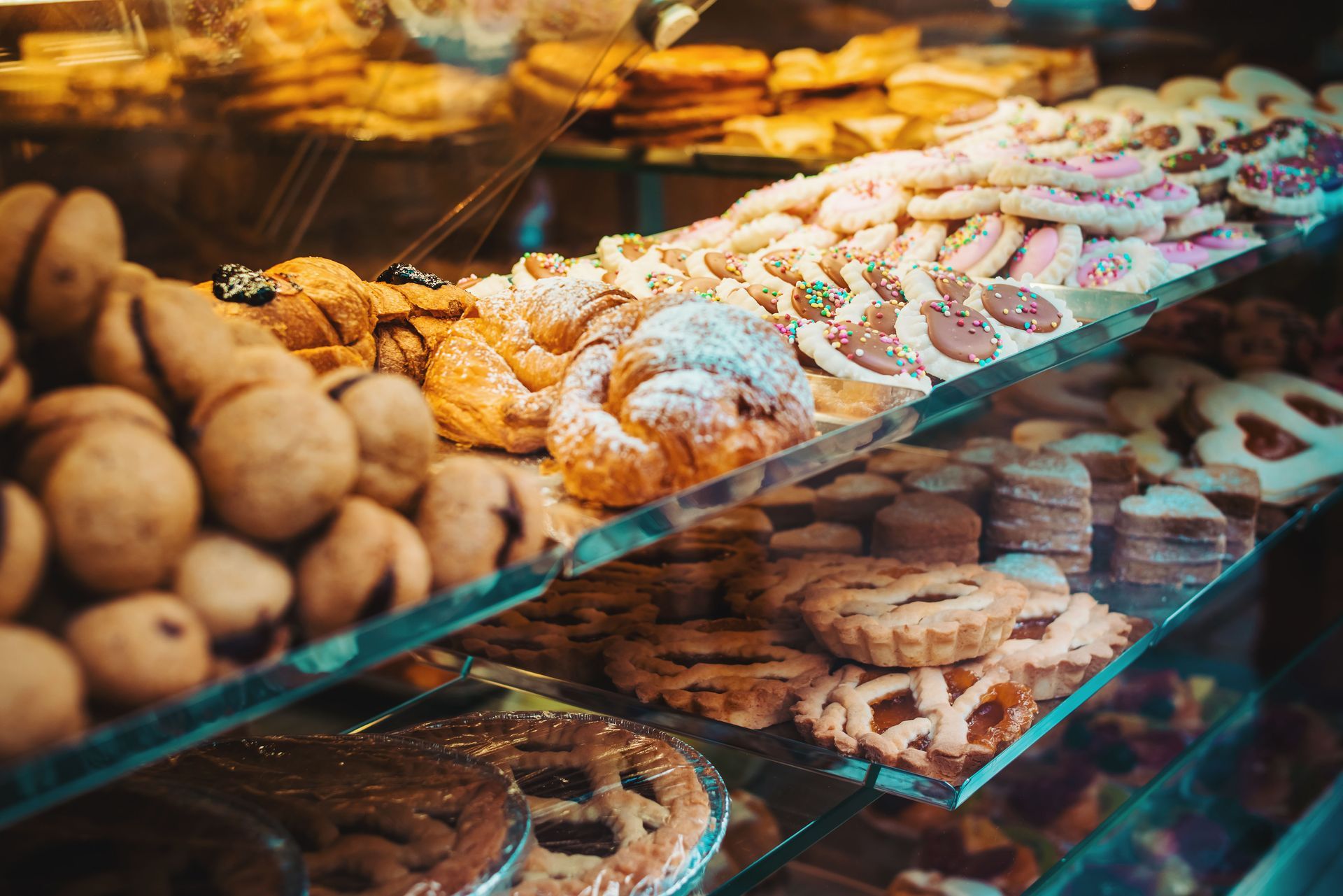
Bread and pastries have different storage needs, so keeping them together can lead to unwanted results. Bread tends to release moisture over time, which can affect the texture of nearby pastries. Pastries, especially those with delicate layers, can quickly lose their crispness when exposed to that excess moisture. Keeping them stored separately helps preserve their intended texture and flavor for a longer period.
Pastries, especially those with delicate layers, can become soggy if exposed to excess humidity. On the other hand, some pastries may contain ingredients that transfer odors, which can impact the flavor of bread. Storing each type of baked good separately helps preserve their individual qualities.
If you frequently visit a bakery cafe, consider organizing your storage space so that each type of item has its own designated area. This small step can significantly improve how long your baked goods stay enjoyable.
6. Monitor Freshness and Rotate Items
Even with the best storage methods, baked goods have a limited lifespan. Keeping track of when you purchased or baked each item can help you prioritize what to eat first. Rotating items ensures that nothing is forgotten or wasted.
Pay attention to signs of staleness or spoilage, such as changes in texture, smell, or appearance. If bread begins to dry out, it can still be repurposed for recipes like croutons or breadcrumbs. Pastries that lose their freshness may still be enjoyable when lightly reheated.
Regular visits to a bakery cafe can make it tempting to stock up, but buying only what you can reasonably consume within a few days helps maintain quality and reduce waste. Planning your purchases with intention can also help you enjoy your baked goods at their peak. Instead of buying in bulk, consider making smaller, more frequent trips so you can always have fresh options on hand without worrying about items going stale.
If you do find yourself with extra bread or pastries, having a simple storage plan in place can make all the difference. Freezing portions or sharing with family can help ensure nothing goes to waste while still allowing you to enjoy that fresh-from-the-bakery cafe experience.
Storing bread and pastries properly is essential for preserving their flavor, texture, and overall appeal. Simple adjustments, such as choosing the right container, avoiding refrigeration, and separating different types of baked goods, can make a noticeable difference in how long they stay fresh. Freezing offers a practical solution for longer storage, while mindful rotation ensures nothing goes to waste.
By understanding how different storage methods affect baked goods, you can enjoy the same quality you would expect from a bakery cafe right in your own home. These techniques not only enhance your experience but also help you make the most of every loaf and pastry you bring home.
At The Bread Palace Bakery & Cafe, we believe every bite should taste as fresh and delightful as the moment it was made. Whether you are enjoying our breads at home or saving them for later, we are here to help you get the most out of your experience. Visit us and let us bring warmth, flavor, and freshness into your daily routine.